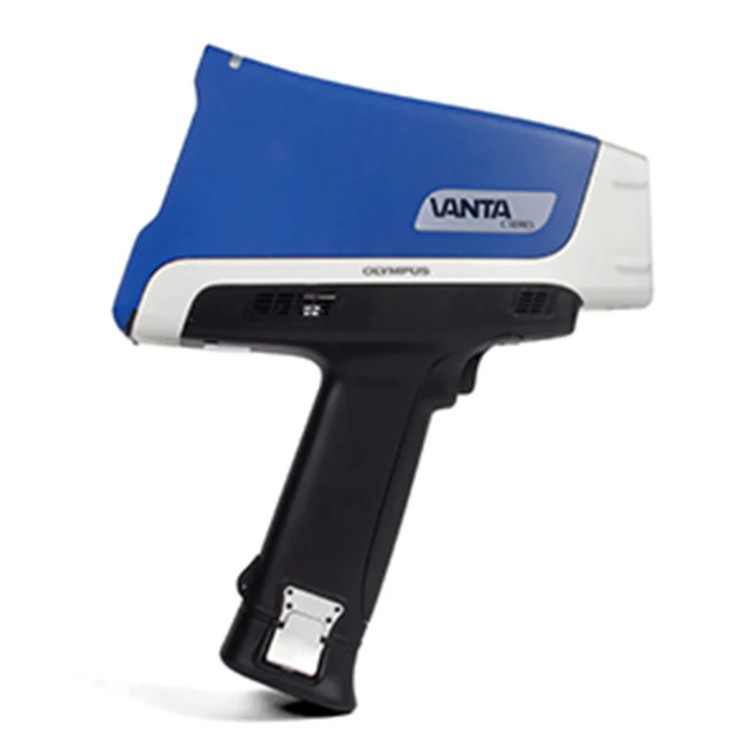
Search for more information

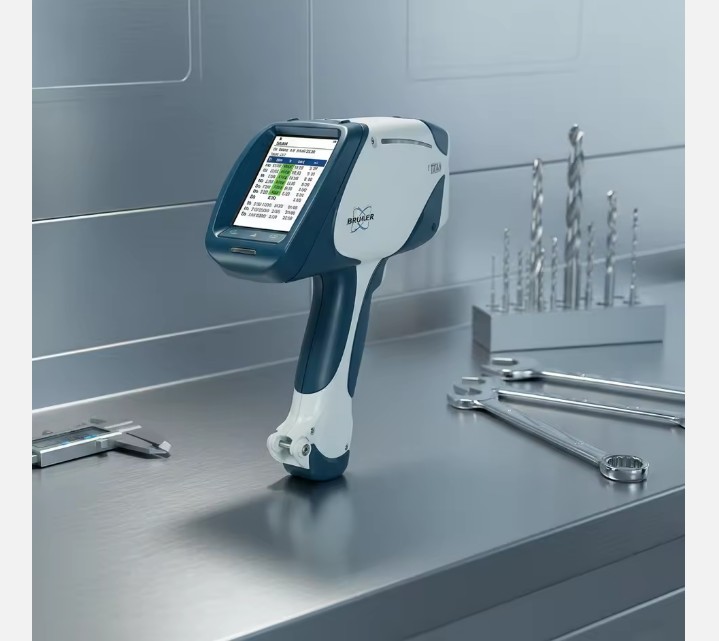
Technology: Alloy-grade identification technology Engine: High-speed processing engine Design: Ergonomic, lightweight design Protection: IP54-rated environmental protection Camera: Integrated camera for precise targeting Reporting: Advanced reporting with a touchscreen
Fe, Al, Cu, Ni, Co, Mg, Ti, and more
9.9″ x 3.1″ x 12″ 3.3 lbs
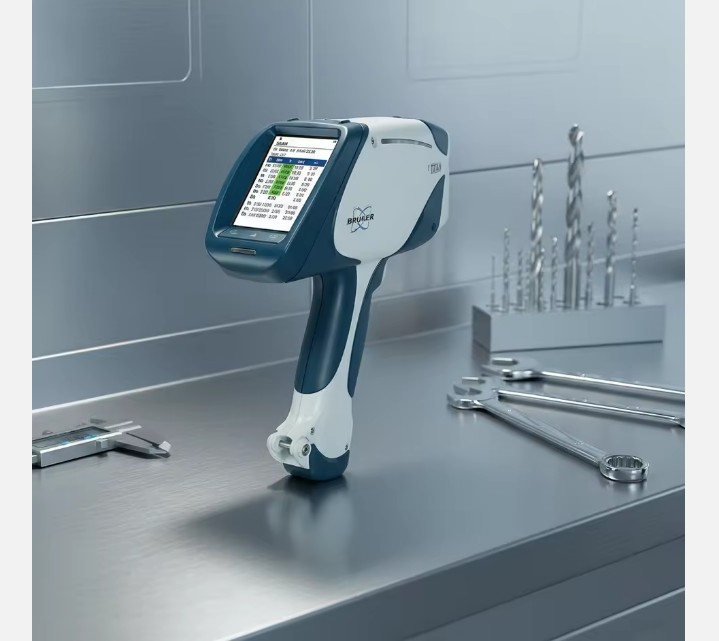
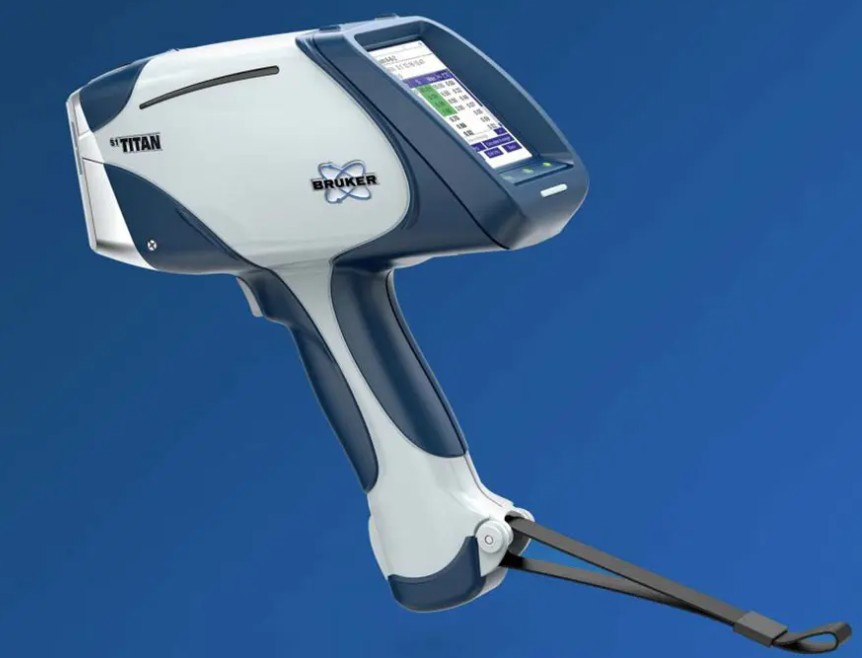
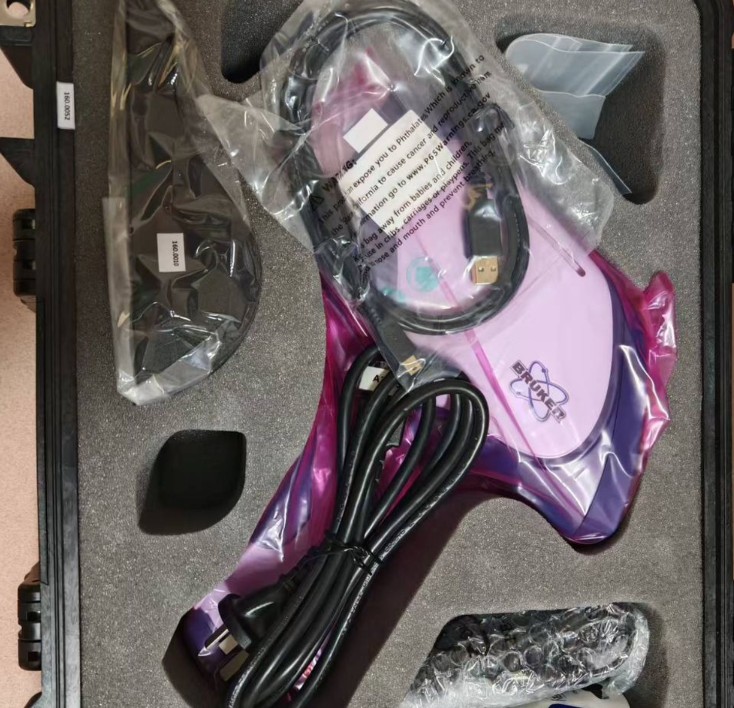

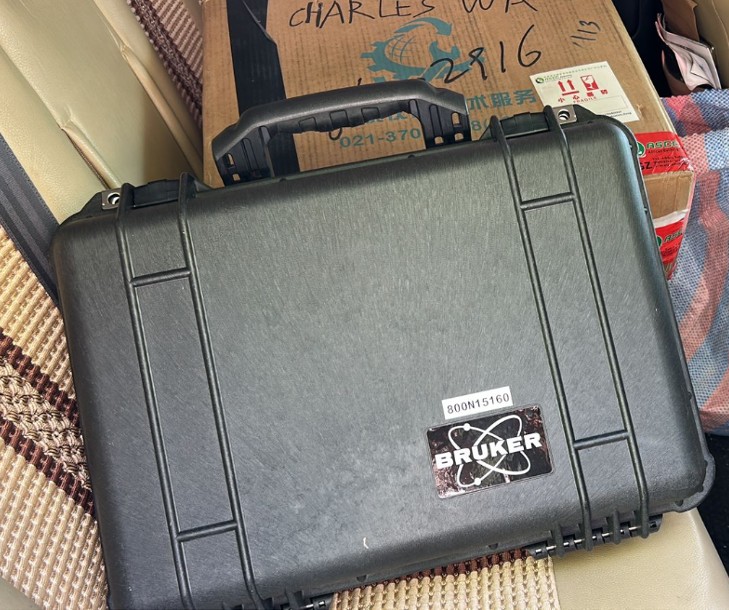
#Bruker S1 Titan 800 XRF Analyzer The S1 TITAN product line is entirely based on the latest detector technology. Every S1 TITAN model is equipped with a high-performance graphene window silicon drift detector (SDD). As a result, users can expect to have fast, precise analysis regardless of the chosen S1 TITAN model.
The S1 TITAN is available in three highperformance configurations, all sharing the same advanced detector technology: S1 TITAN 500, 500S, and 800
The S1 TITAN 500 model is an excellent value choice when analysis of light elements is not required. It is designed for the simple and fast analysis of heavier elements, starting from sulfur.
The S1 TITAN model 500S is the fast and easy-to-use analyzer which can measure both light and heavier elements simultaneously.
The S1 TITAN 800 is the premium model with the best performance the widest application range and best light element performance for Mg, Al and Si.
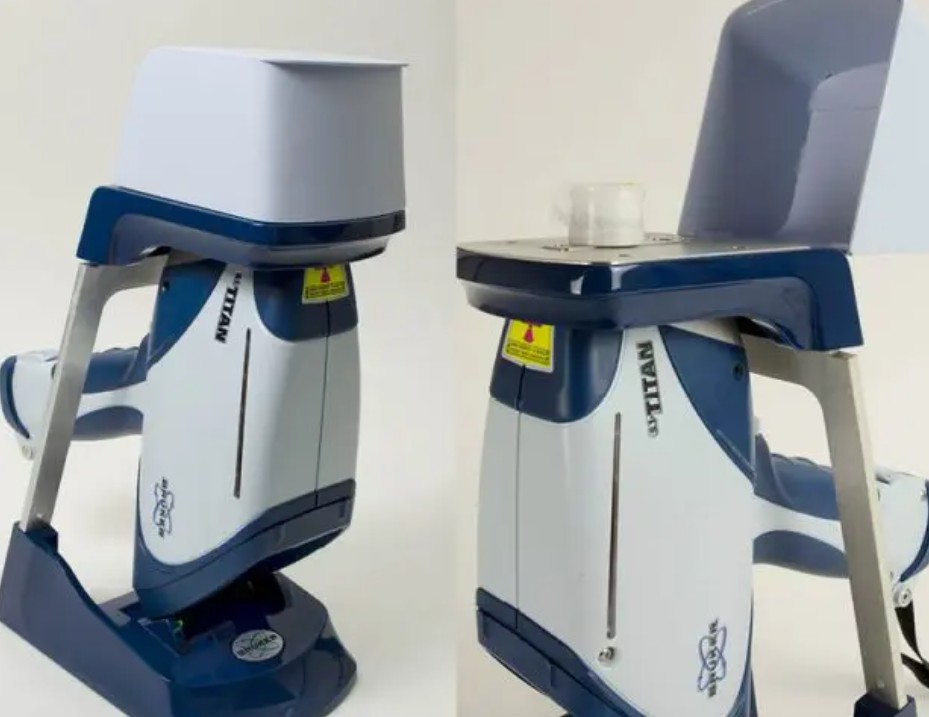
Bruker S1 Titan 800 XRF Analyzer
Technology: Alloy-grade identification technology
Engine: High-speed processing engine
Design: Ergonomic, lightweight design
Protection: IP54-rated environmental protection
Camera: Integrated camera for precise targeting
Reporting: Advanced reporting with a touchscreen
High-Impact Features of the S1 Titan 800
The flexibility it lends to professionals is remarkable for a portable device weighing merely 3.3 lbs.
Its 20mm2 Graphene window SDD detector sets a new standard for resolution and capability, achieving a resolution of less than 145eV @450,000cps, a feat that significantly outperforms its competitors.
The device doesn’t just excel in single-line performance. It triumphs in its ability to analyze the spectrum from Magnesium to Uranium (Mg to U). Due to its versatility, this tool can be applied in various applications, making it a valuable asset.
Moreover, the wide range of calibration options ensures that the device is primed for accurate readings, whether mining explorations or consumer product safety tests.
The portability is underscored by its resistance to field conditions, thanks to the IP54 rating that shields it from dust and humidity.
With the option for desktop and benchtop stands, this analyzer is adaptable to various sample sizes and shapes for measurement, ensuring universal usage.
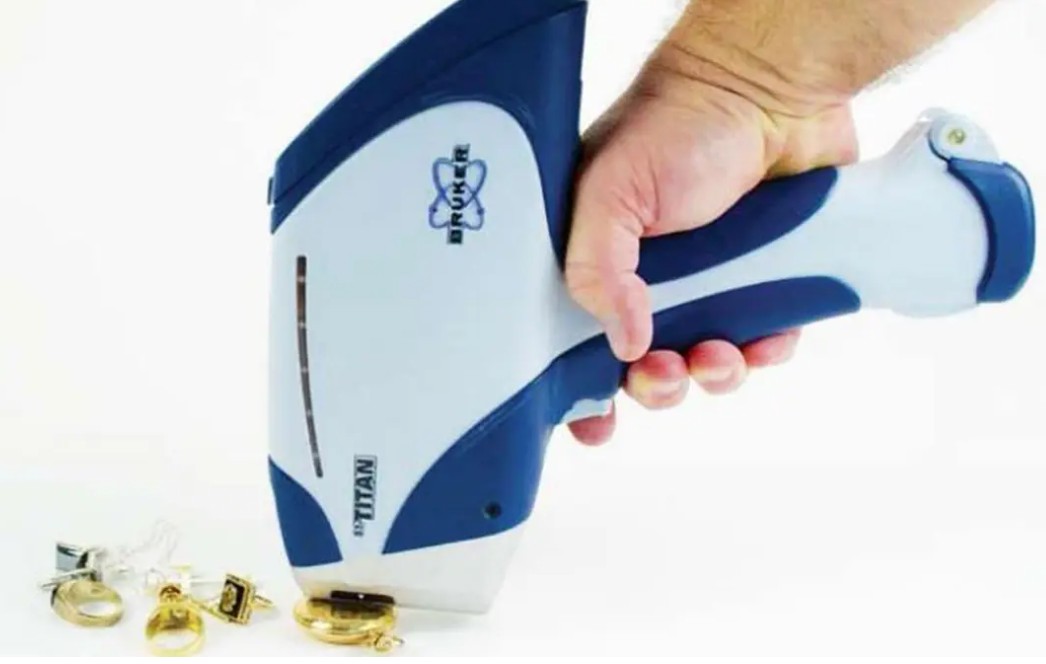
Bruker S1 Titan 800 vs. Niton XL2 Comparison
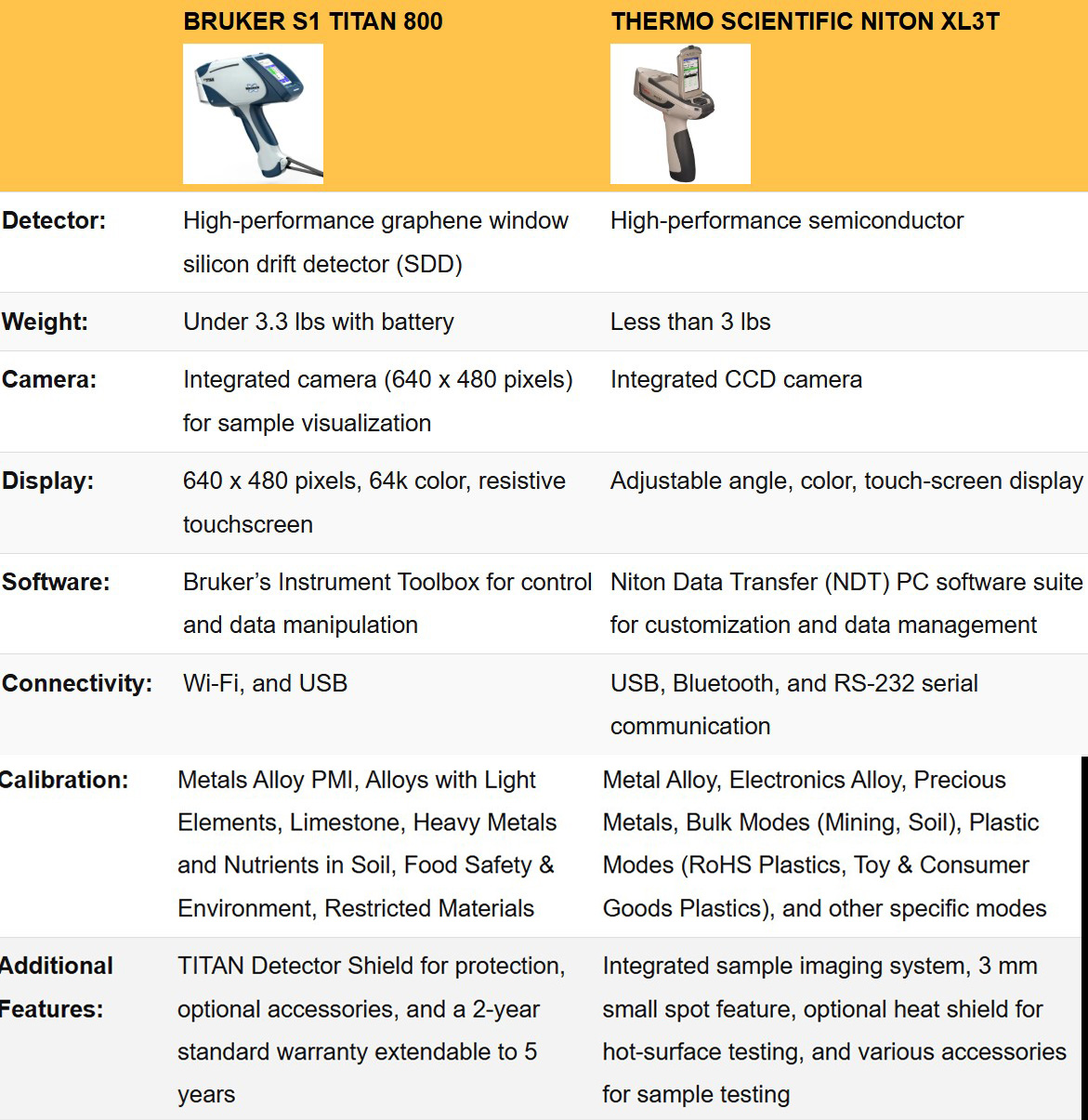
The Bruker S1 Titan 800 and the Thermo Scientific Niton XL3t are advanced handheld XRF analyzers with unique features and capabilities. Here’s a comparison based on the information gathered:
| Bruker S1 Titan 800 | Thermo Scientific Niton XL3t | |
| Detector: | High-performance graphene window silicon drift detector (SDD) | High-performance semiconductor |
| Weight: | Under 3.3 lbs with battery | Less than 3 lbs |
| Camera: | Integrated camera (640 x 480 pixels) for sample visualization | Integrated CCD camera |
| Display: | 640 x 480 pixels, 64k color, resistive touchscreen | Adjustable angle, color, touch-screen display |
| Software: | Bruker’s Instrument Toolbox for control and data manipulation | Niton Data Transfer (NDT) PC software suite for customization and data management |
| Connectivity | Wi-Fi, and USB | USB, Bluetooth, and RS-232 serial communication |
| Calibration | Metals Alloy PMI, Alloys with Light Elements, Limestone, Heavy Metals and Nutrients in Soil, Food Safety & Environment, Restricted Materials | Metal Alloy, Electronics Alloy, Precious Metals, Bulk Modes (Mining, Soil), Plastic Modes (RoHS Plastics, Toy & Consumer Goods Plastics), and other specific modes |
Additional Features | TITAN Detector Shield for protection, optional accessories, and a 2-year standard warranty extendable to 5 years | Integrated sample imaging system, 3 mm small spot feature, optional heat shield for hot-surface testing, and various accessories for sample testing |
Key Differences
Detector Technology: Bruker uses a graphene window SDD, while Niton XL3t employs a semiconductor detector.
Software and Connectivity: Both offer robust software solutions with different interfaces and features.
Calibration and Applications: Each has specific calibration packages tailored to different applications.
Design and Ergonomics: While both are designed for portability and ease of use, they have different weight and display features.
The choice between the S1 Bruker Titan 800 and Thermo Scientific Niton XL3t depends on specific application requirements, such as the materials being analyzed, the desired portability and ergonomics, and the need for specific software features and connectivity options. Both are high-performance tools worth considering, but the Titan S1 800 is the clear winner.
How does XRF work?
X-ray fluorescence (XRF) is a remarkably potent analytical technique enabling non-destructive analysis of the elemental composition across a diverse array of materials. With its precision and accuracy, XRF offers valuable insights into the chemical makeup of diverse samples without causing any damage. XRF analyzers direct X-rays at the sample, which then eject secondary (fluorescent) X-rays characteristic of the elements present. The composition of elements in the sample can be determined by analyzing the intensity and energy of fluorescent X-rays. This technique allows for precise measurements of type and quantity, providing valuable insights into the sample’s properties.
How accurate is the XRF test?
The accuracy of XRF testing is generally high, particularly for common metals in alloys. Compared to traditional assay methods, the method can achieve accuracy levels ranging from 0.2 to 0.5% for elements like gold. Enhancing precision entails augmenting the number of X-ray counts during testing. Numerous studies have established the reliability of XRF as a technique for screening diverse metal elements in various sample types.