Search for more information

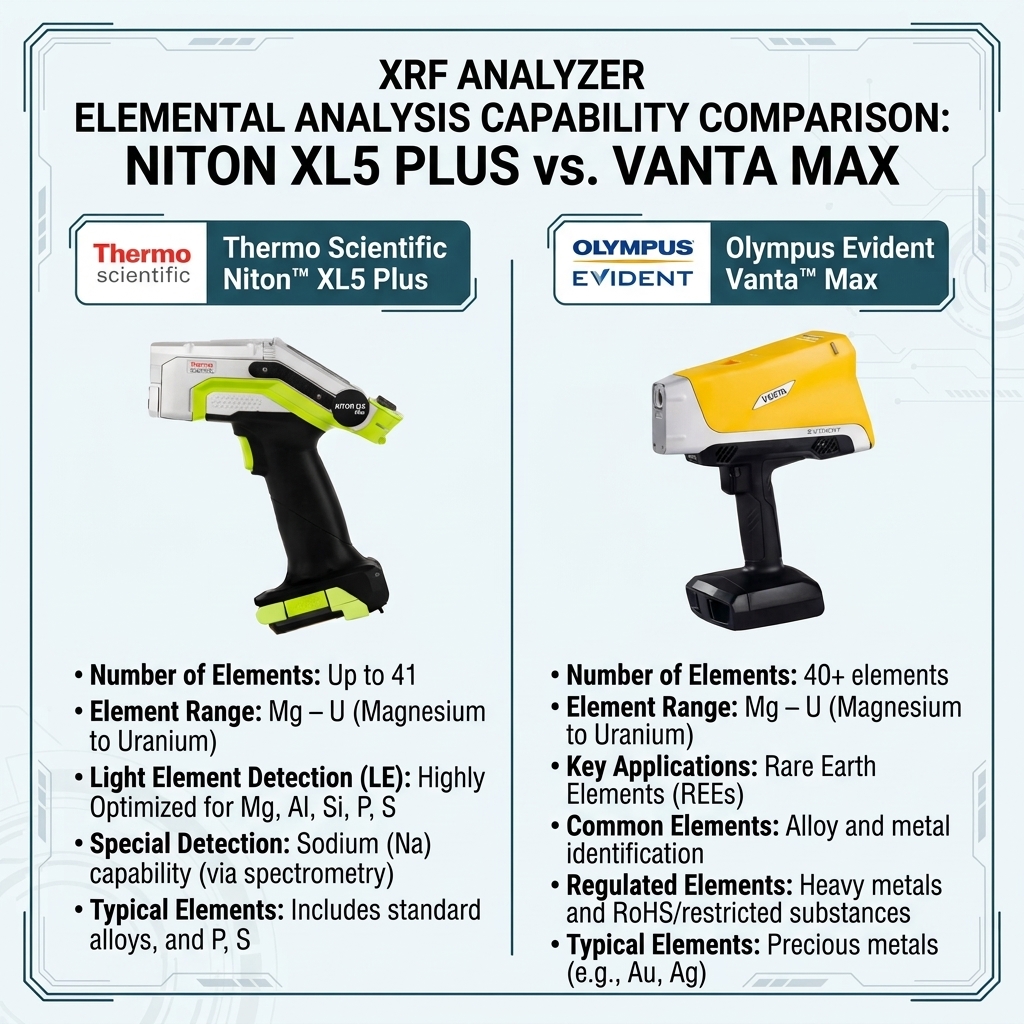
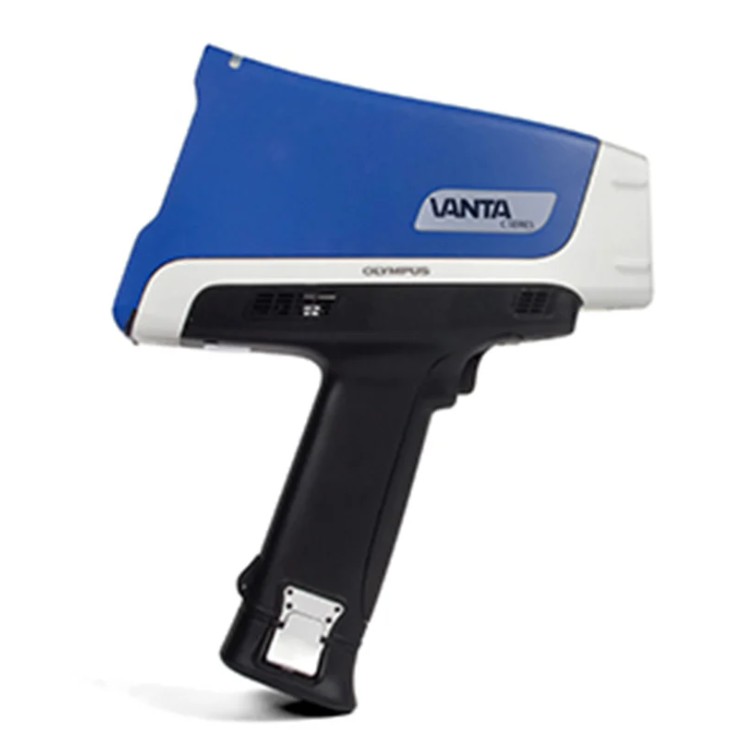
Olympus Evident Vanta Max (the highest configuration in the Vanta flagship series) and Thermo Scientific Niton XL5 Plus (Niton’s top-tier lightweight SDD spectrometer)—the core operational strategy for these two top-tier handheld XRF analyzers is to position them as “the pinnacle of handheld XRF performance worldwide.
Ultra-Fast SDD Detector Lightweight Micro X-Ray Tube Aerospace Alloy Identification Light Element Detection Mg Al Si P S Mining & Geological Exploration Scrap Metal Sorting & PMI
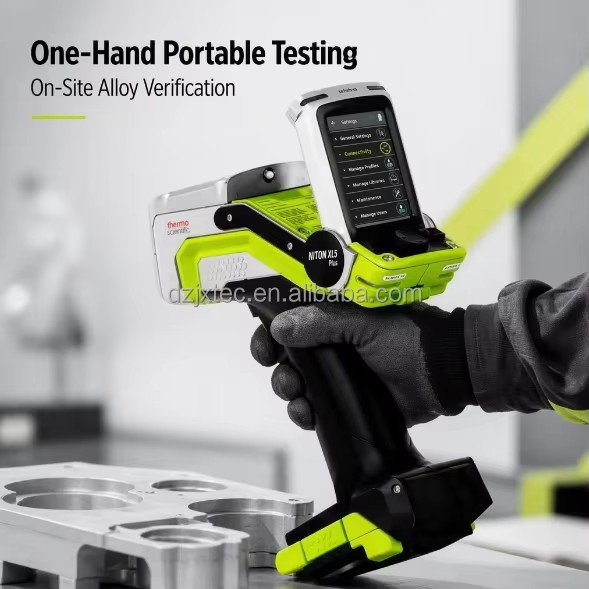
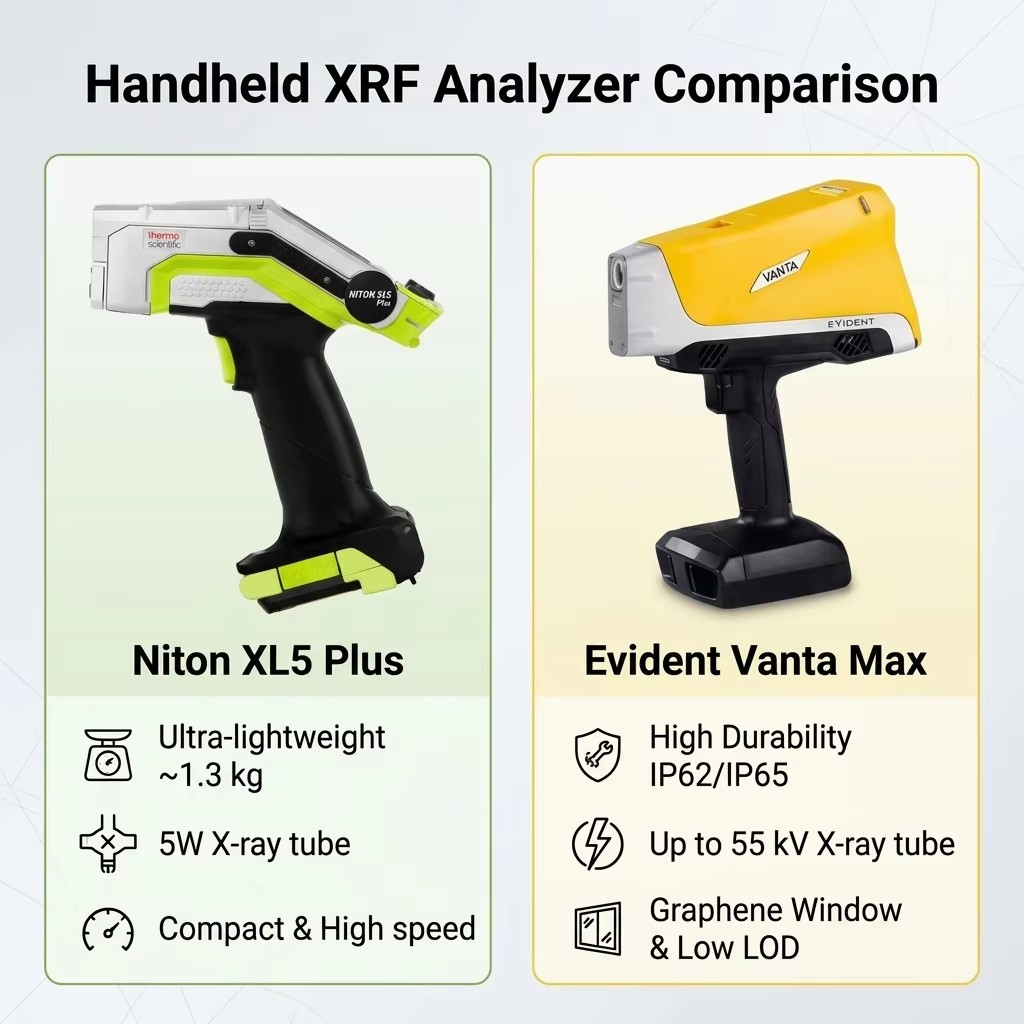
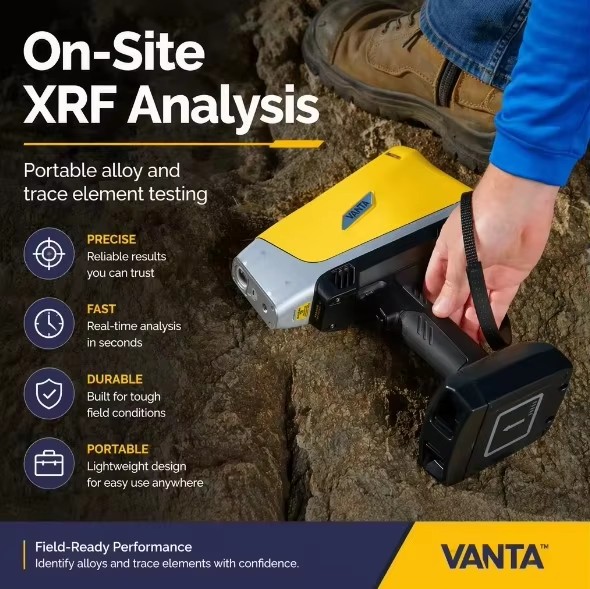
Olympus Evident Vanta Max (the highest configuration in the Vanta flagship series) and Thermo Scientific Niton XL5 Plus (Niton’s top-tier lightweight SDD spectrometer)—the core operational strategy for these two top-tier handheld XRF analyzers is to position them as “the pinnacle of handheld XRF performance worldwide.
When it comes to the Olympus Evident Vanta Max (the highest-end configuration in the Vanta flagship line) and the
Thermo Scientific Niton XL5 Plus (Niton’s top-tier lightweight SDD spectrometer), the core operational strategy for these two top-tier handheld XRF analyzers is to position them as “the pinnacle of handheld XRF performance worldwide.
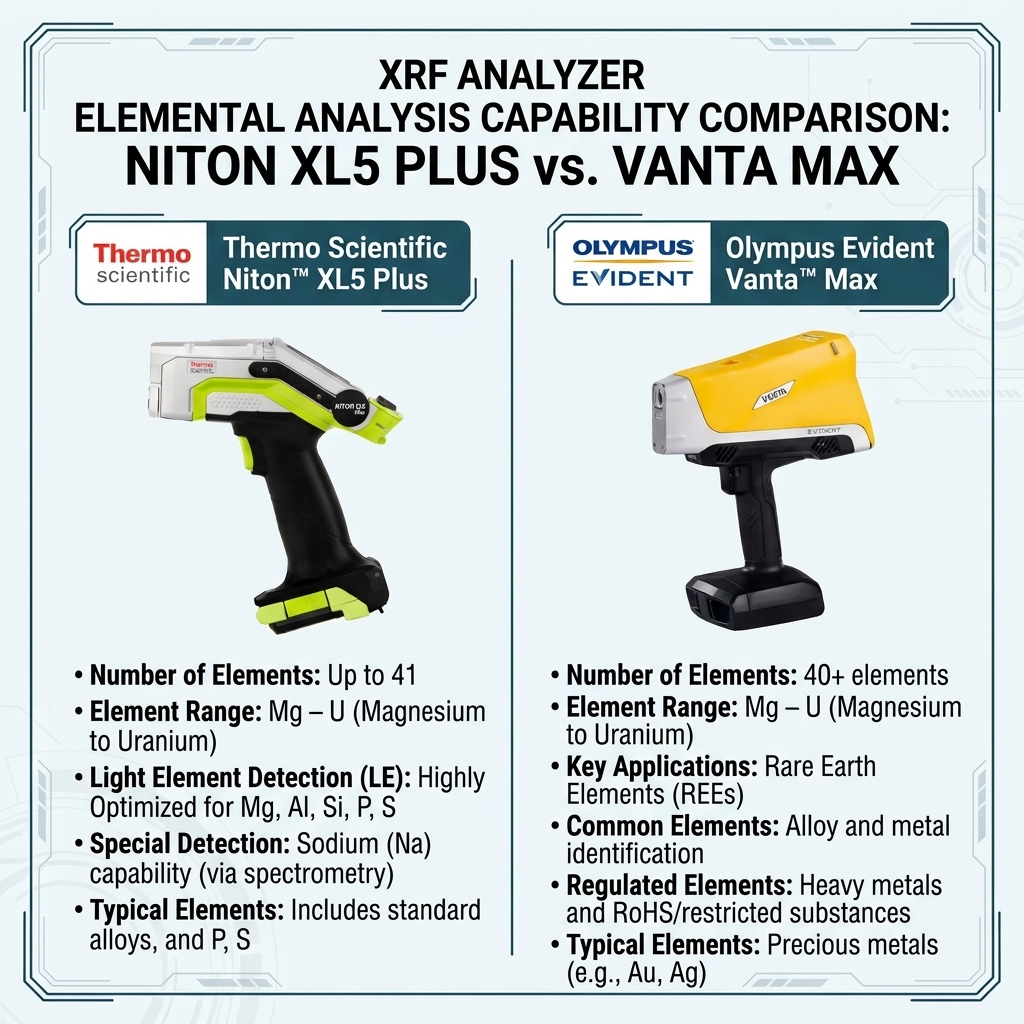
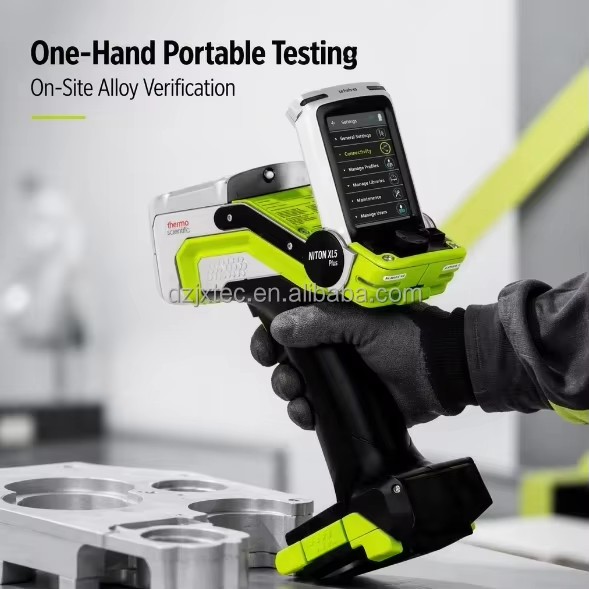
Thermo Scientific Niton XL5 Plus
Main analyzable elements and categories:
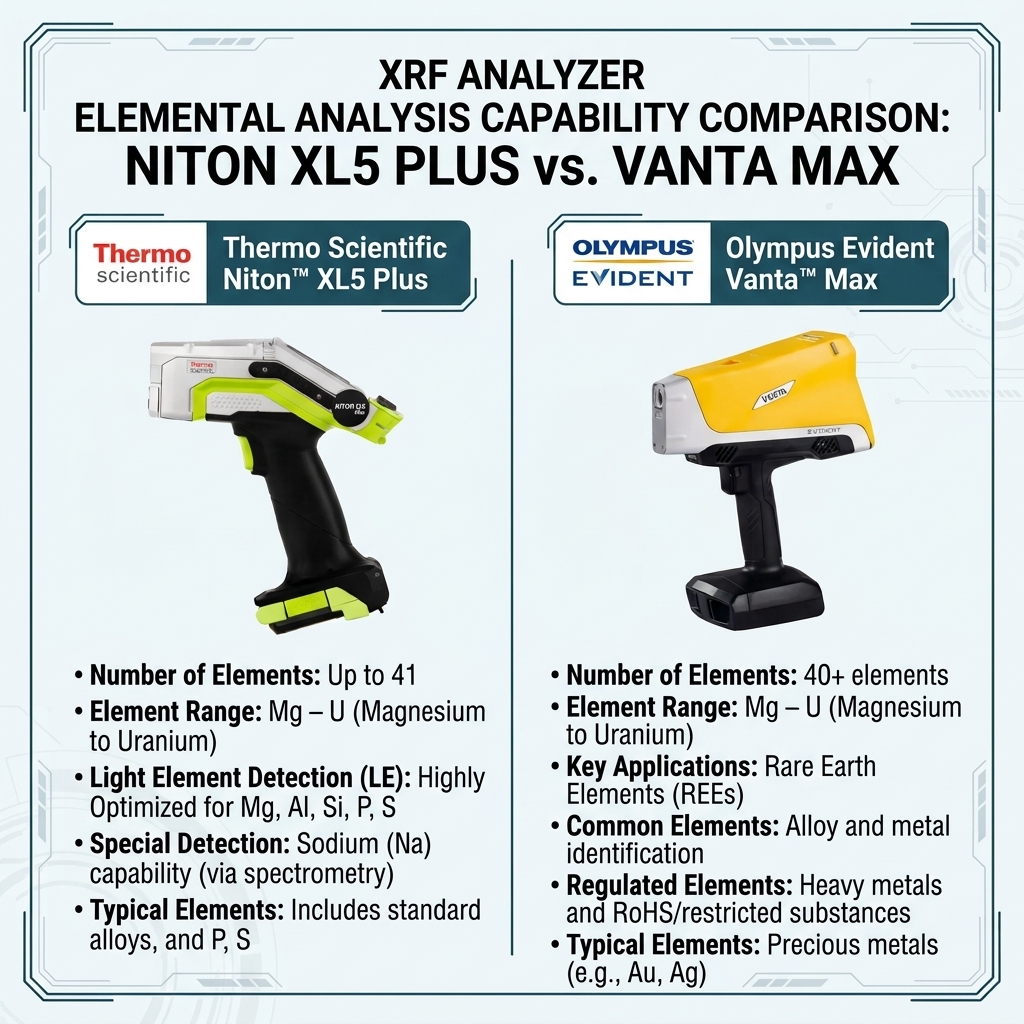
Light elements: magnesium (Mg), aluminum (Al), silicon (Si), phosphorus (P), sulfur (S).
Transition metals and alloying elements: titanium (Ti), vanadium (V), chromium (Cr), manganese (Mn), iron (Fe), cobalt (Co), nickel (Ni), copper (Cu), zinc (Zn), zirconium (Zr), niobium (Nb), molybdenum (Mo), etc.
Heavy metals and hazardous elements: lead (Pb), mercury (Hg), cadmium (Cd), arsenic (As), selenium (Se), bismuth (Bi), etc.
Precious metals: gold (Au), silver (Ag), platinum (Pt), palladium (Pd), rhodium (Rh), etc.
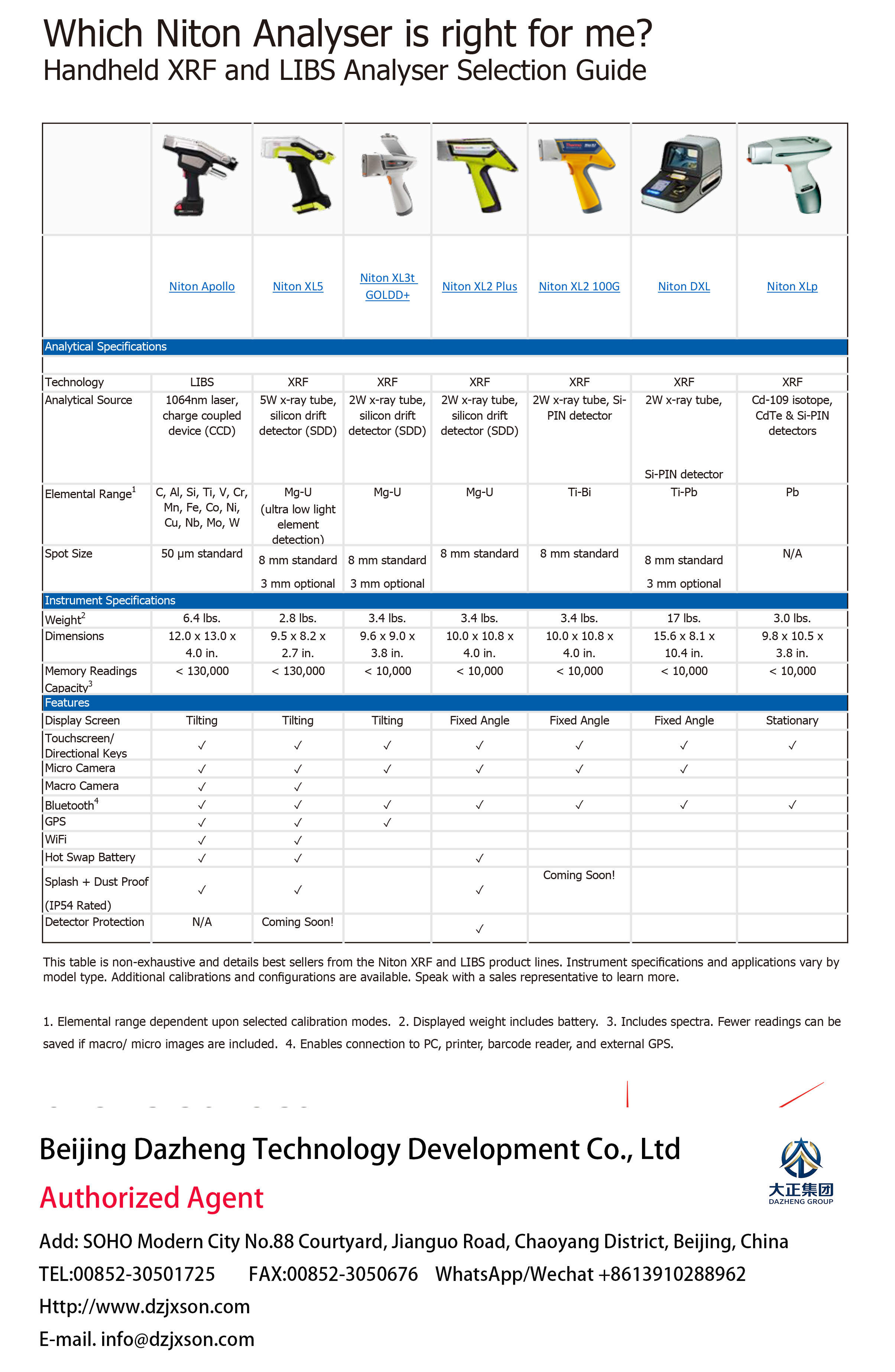
Analytical features: Thanks to its 5W high-power X-ray tube and SDD detector, while maintaining an extremely lightweight design (~1.3 kg), it provides very fast and accurate detection of light elements (Mg, Al, Si, P, S) in aluminum alloys, titanium alloys, stainless steel, and low-alloy steel.
Olympus Evident Vanta Max Series — Analyzable Element Range**
Element detection range:** From magnesium (Mg, Z=12) to uranium (U, Z=92) (some special configurations and specific modes support ultra-low-level analysis of lighter elements).
*Main analyzable elements and categories:**
* Light elements:** magnesium (Mg), aluminum (Al), silicon (Si), phosphorus (P), sulfur (S), chlorine (Cl).
*Common transition and structural metals:** titanium (Ti), vanadium (V), chromium (Cr), manganese (Mn), iron (Fe), cobalt (Co), nickel (Ni), copper (Cu), zinc (Zn), zirconium (Zr), niobium (Nb), molybdenum (Mo), tungsten (W), etc.
*Rare earth elements (REE):** lanthanum (La), cerium (Ce), praseodymium (Pr), neodymium (Nd), samarium (Sm), etc.
*Heavy elements and trace/ultra-trace elements:** lead (Pb), arsenic (As), cadmium (Cd), selenium (Se), antimony (Sb), barium (Ba), thorium (Th), uranium (U), etc.
*Precious metals:** gold (Au), silver (Ag), platinum (Pt), palladium (Pd), etc.
*Analytical features:*As the flagship model, its optional X-ray tube of up to 55 kV, combined with a graphene detector window (Graphene Window), greatly improves the excitation efficiency for rare earth elements (REE) and high-atomic-number heavy elements (such as Ag, Cd, Sn, Ba, Sb, etc.), enabling extremely low limits of detection (LOD).
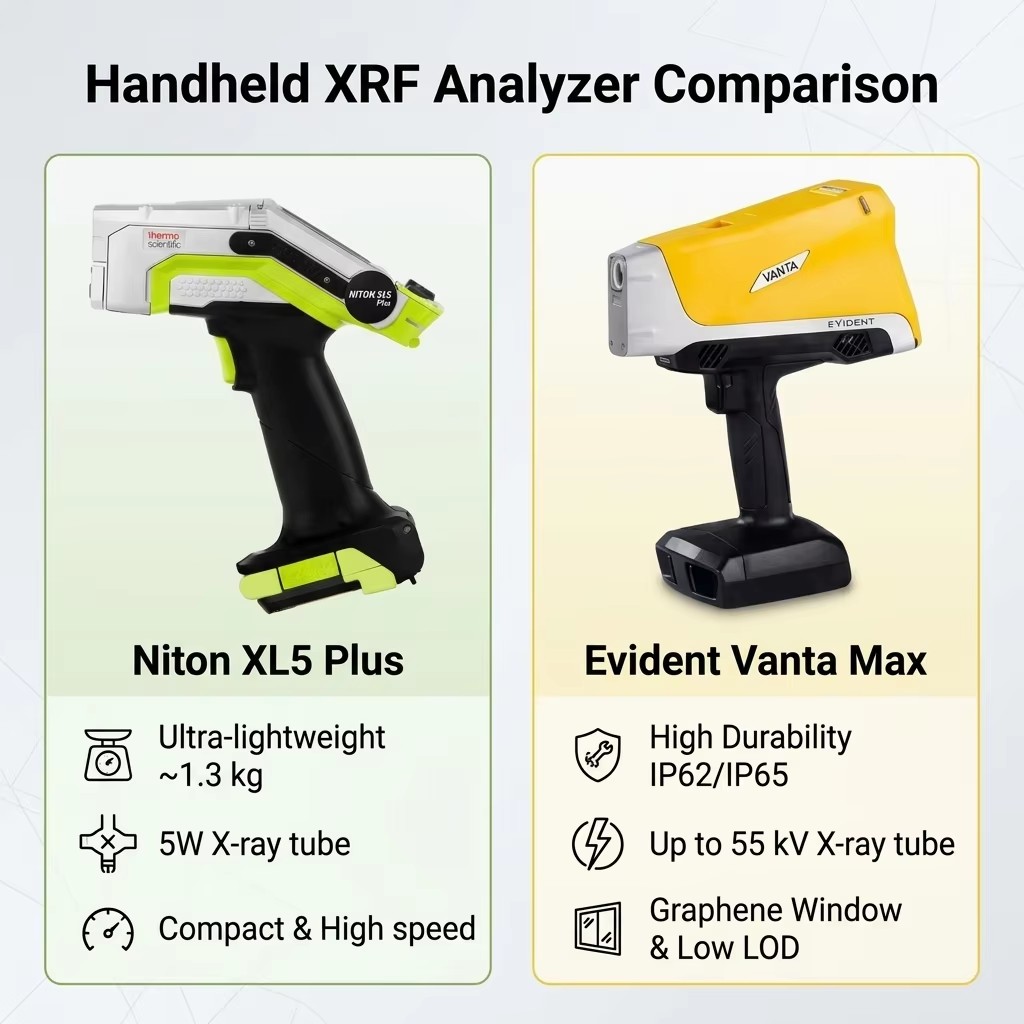
1、Targeted Design of the Excitation Source and Detector
This is the root of the performance divide between the two instruments.
The “depth” advantage of the Vanta Max:** Its highest configuration can be equipped with a 55 kV tungsten (W) anode X-ray tube, which is 5 kV higher than standard models. This significantly improves excitation efficiency for elements such as cadmium (Cd), tin (Sn), and rare earth elements, enabling extremely low limits of detection (LOD). Combined with a high-resolution SDD, it performs exceptionally well in detecting rare earth elements such as La, Ce, Pr, and Nd in geological samples.
The “breadth” and portability advantage of the Niton XL5 Plus:** It uses a 5W silver (Ag) anode X-ray tube and a large-area SDD. Its core advantage lies in an extremely high count rate. This enables it to achieve very fast analysis speeds while ensuring excellent detection capability for light elements (Mg, Al, Si, P, S), making it highly suitable for high-frequency applications such as rapid alloy grade sorting.
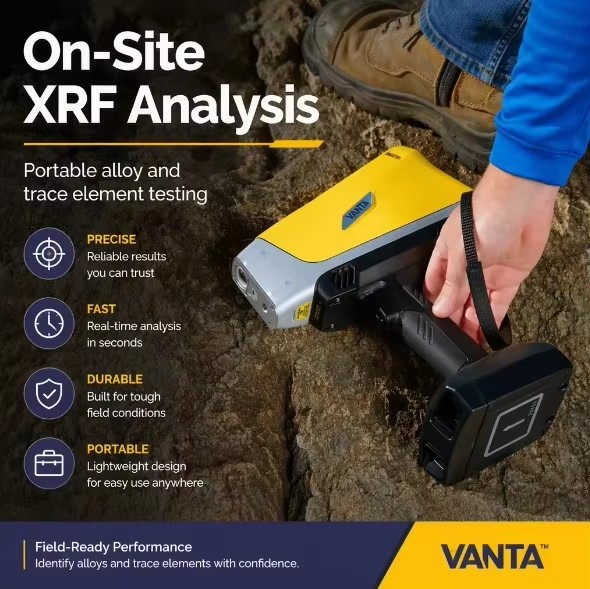
2、Trade-offs in Physical Design and Environmental Adaptability
The differences in weight and ingress protection rating between the two directly reflect their target scenarios.
The Vanta Max is built “tough” for harsh environments:** Its 1.9 kg weight, IP64 rating, and MIL-STD-810G military-standard drop test certification ensure stable operation under harsh conditions such as mines and field environments. The heavier body also helps provide better stability during testing.
The Niton XL5 Plus is designed to “shed weight” for extended operation:** Its extremely lightweight 1.3 kg design is its greatest advantage in scenarios such as working at height, confined spaces, or requiring one-handed operation for extended periods, significantly reducing operator fatigue. Its IP54 rating is sufficient to handle dust and splashes in most industrial sites.
3、Based on the above differences, their emphasis also differs among high-premium customer segments:
1、The Vanta Max is better suited for detailed geological and mining exploration (especially rare earth and rare metals), environmental soil heavy metal testing, and academic research projects requiring ultra-low detection limits.
2、The Niton XL5 Plus shows a more obvious efficiency advantage in industrial scenarios requiring rapid, high-volume, and high-frequency testing, such as aerospace-grade titanium/nickel alloy identification, PMI (Positive Material Identification) of prime/certified materials in large
Summary
In short, the Vanta Max trades weight and bulk for ultimate analytical performance and field survivability—it is a “go-to heavy-duty tool” for geology and scientific research. The Niton XL5 Plus, by contrast, packs top-tier performance into an ultra-light body—it is an “all-rounder” for industrial sites where efficiency and operator comfort are paramount. Your choice essentially depends on whether the customer values “data depth under extreme conditions” more, or “operational efficiency in daily high-frequency workflows.