Search for more information

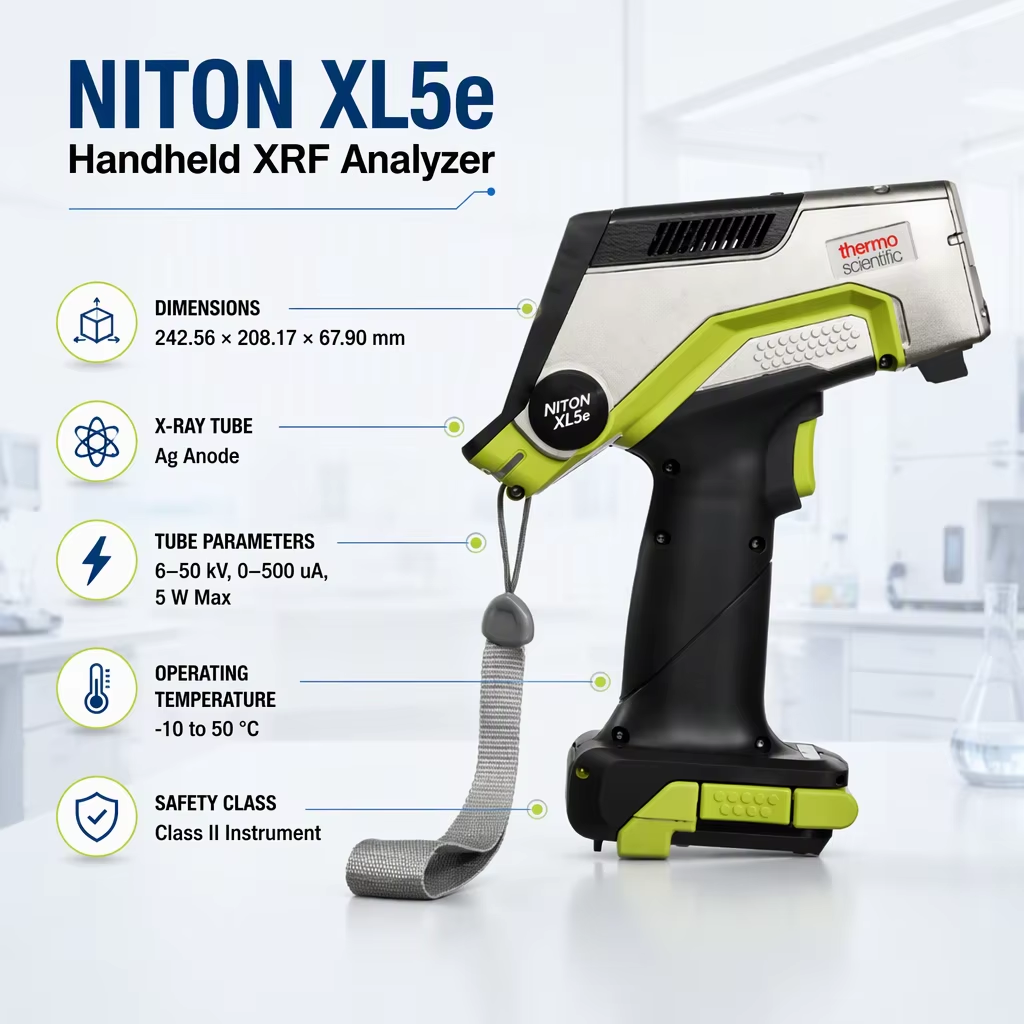
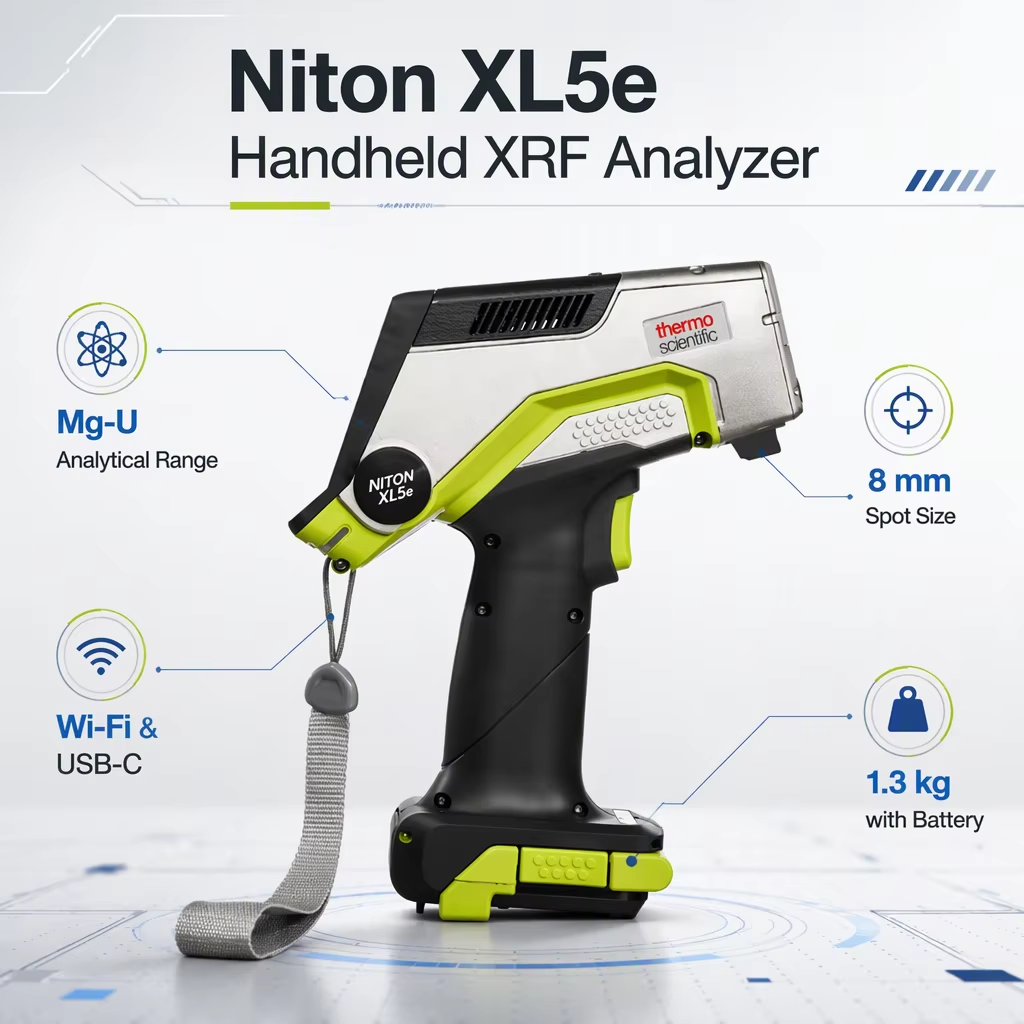
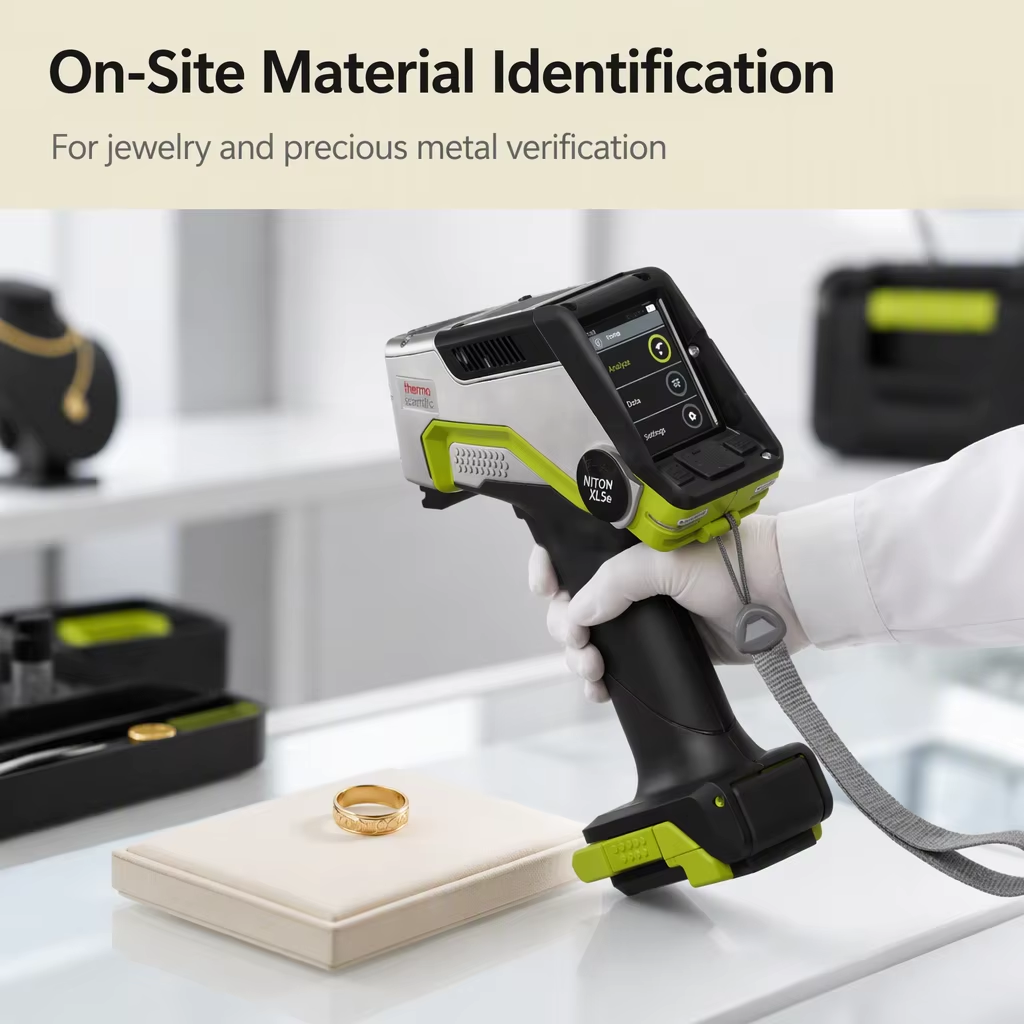
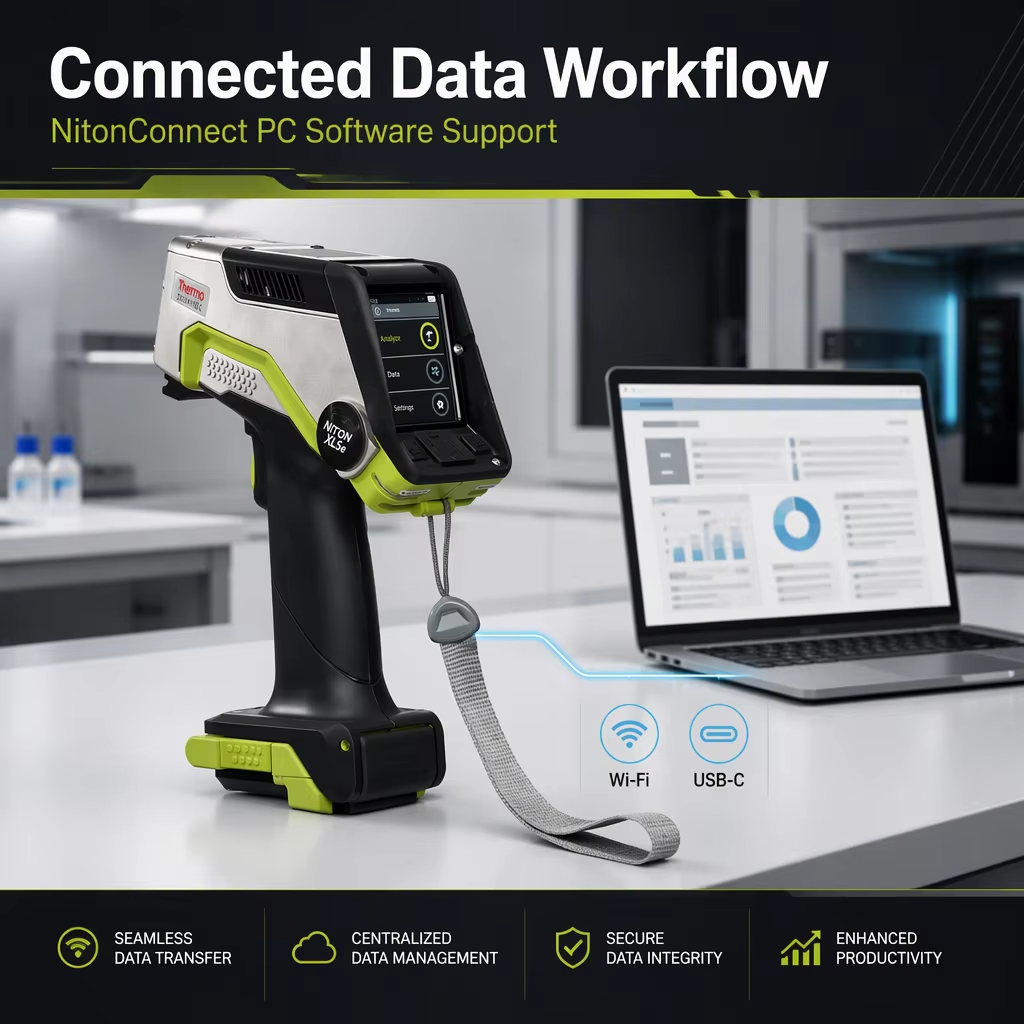

Thermo Scientific Niton XL5e Handheld XRF Analyzer - Customized for Alloy, Mining, Soil, or Plastics
Niton XL5 Plus vs Niton XL5e for Scrap Metal Recycling
Cost, Performance, and Real-World Survivability
In modern scrap metal recycling, speed and confidence determine profitability. Every second saved per measurement compounds across a shift, and every mis-sorted alloy carries a real financial penalty. For decades, Thermo Scientific Niton handheld XRF analyzers have been firmly established as top-tier tools in scrap yards—trusted to identify and sort virtually all common manufacturing alloys reliably and repeatably.
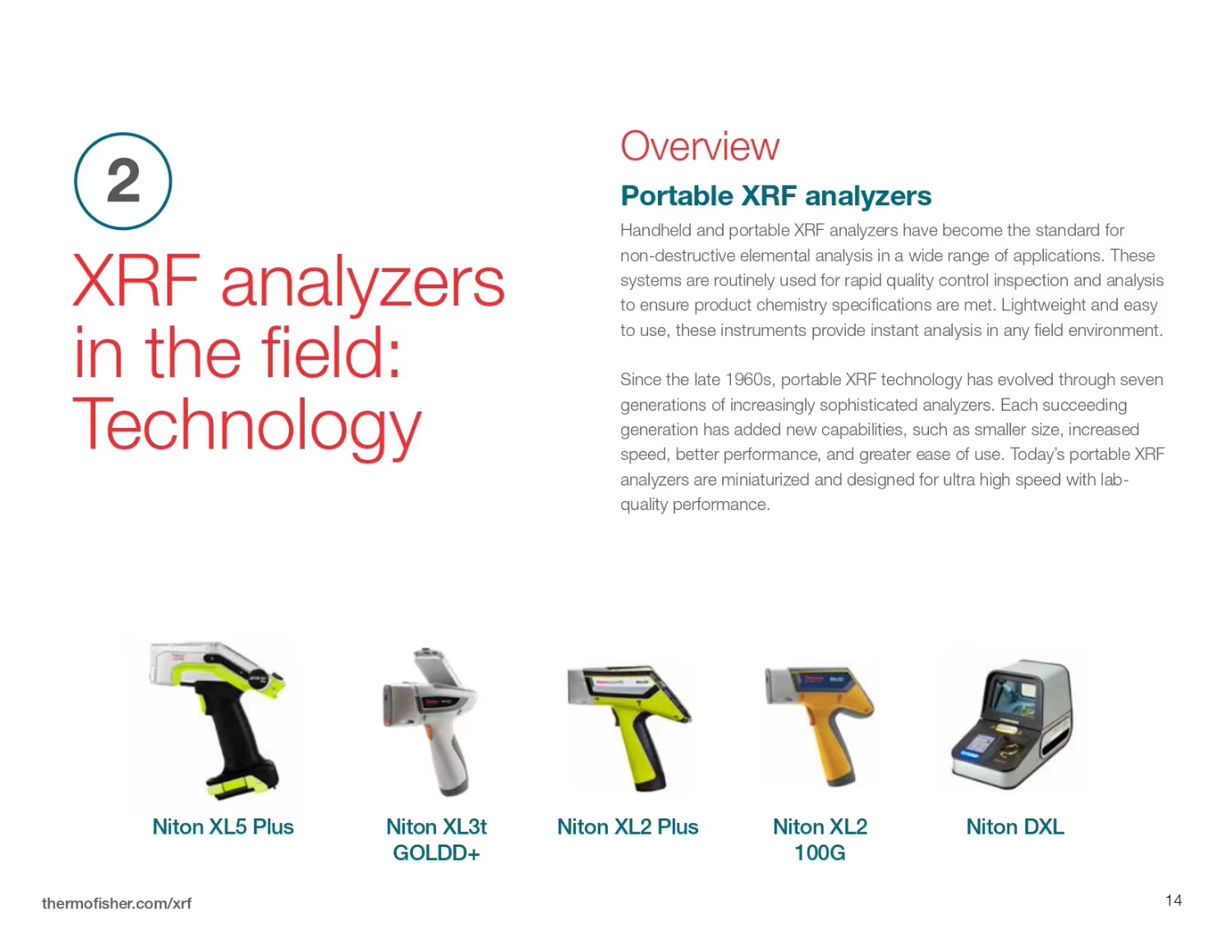
With the introduction of the Niton XL5 Plus, Thermo delivered a major leap forward in handheld XRF speed, performance, and usability. That momentum continued in January 2026 with the release of the Niton XL5e, a model clearly designed to make the performance of the XL5 generation accessible to a broader segment of the metals recycling market. While these two analyzers share a common platform, their differences are intentional and understanding those differences helps you the buyer make better purchasing decisions.
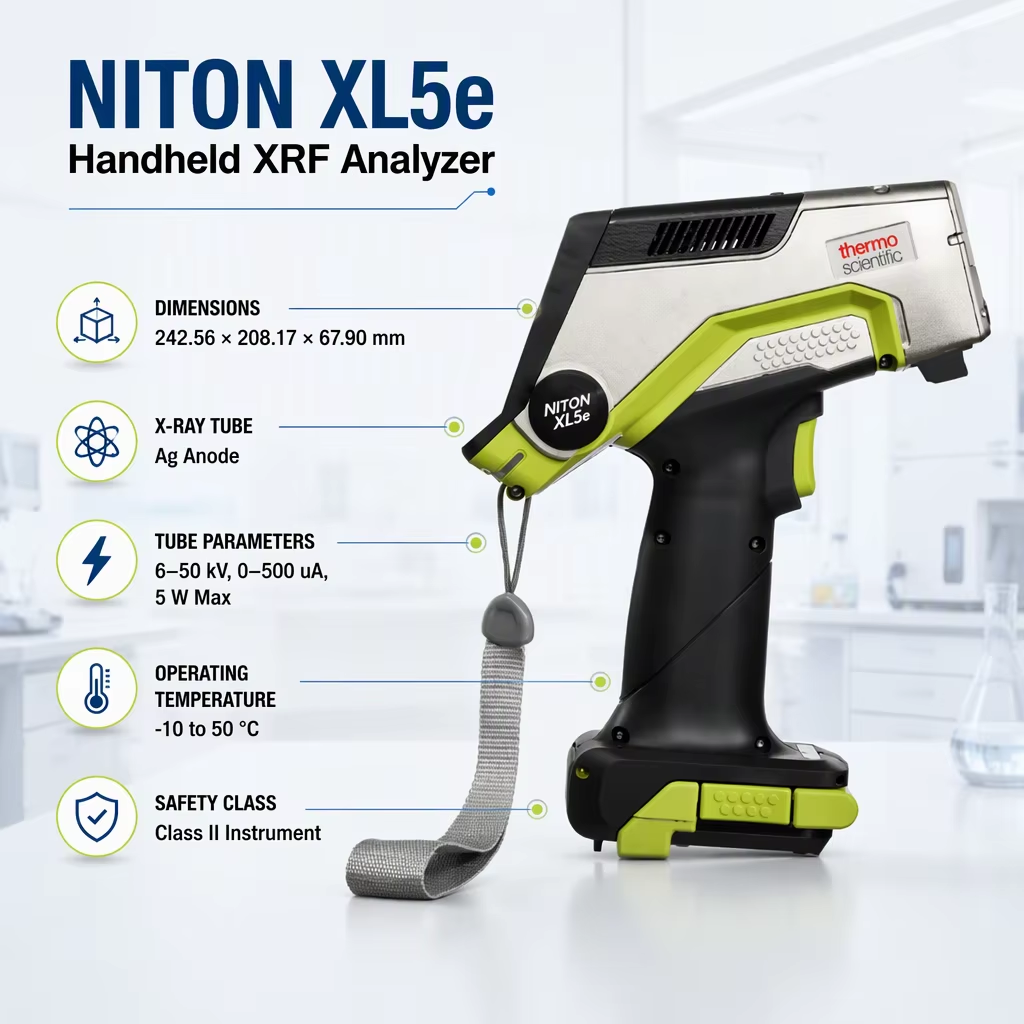
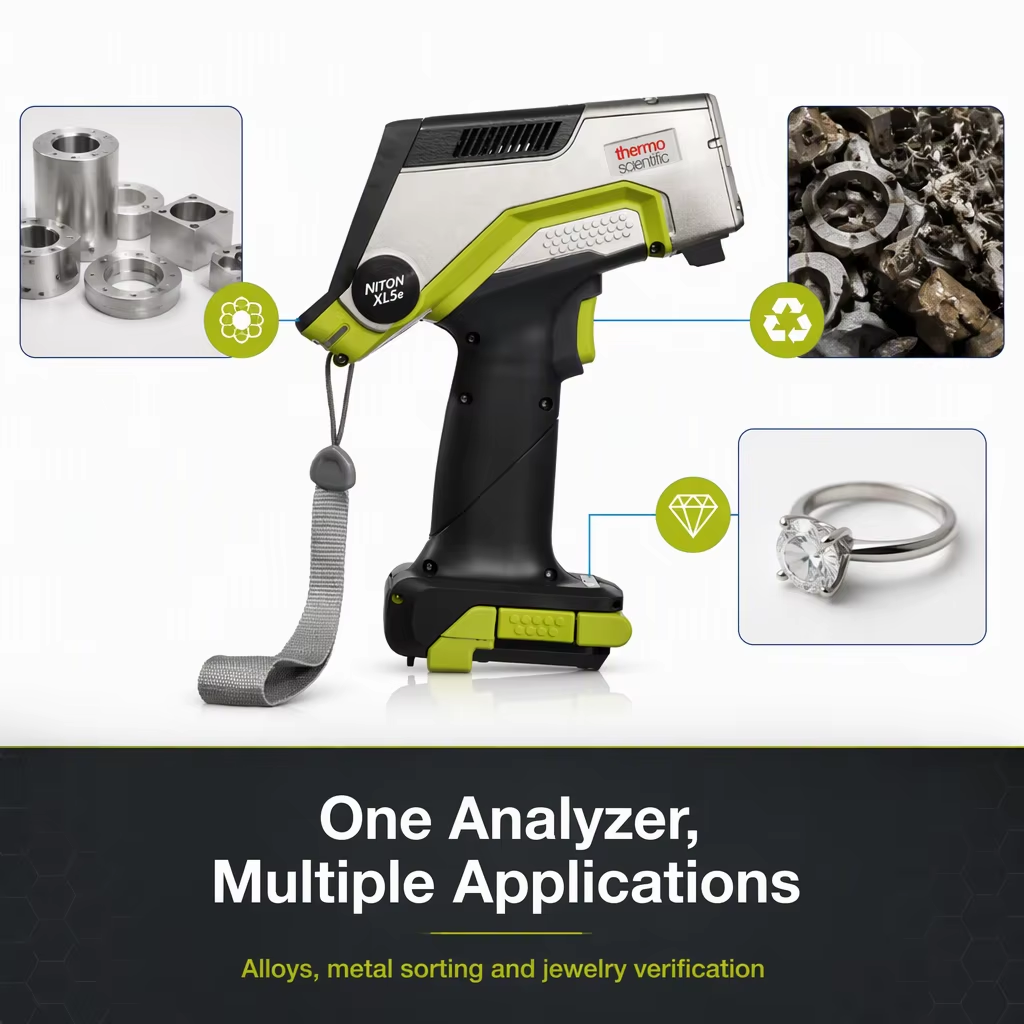
Key Features of Niton XL5e
✅5W X-ray tube
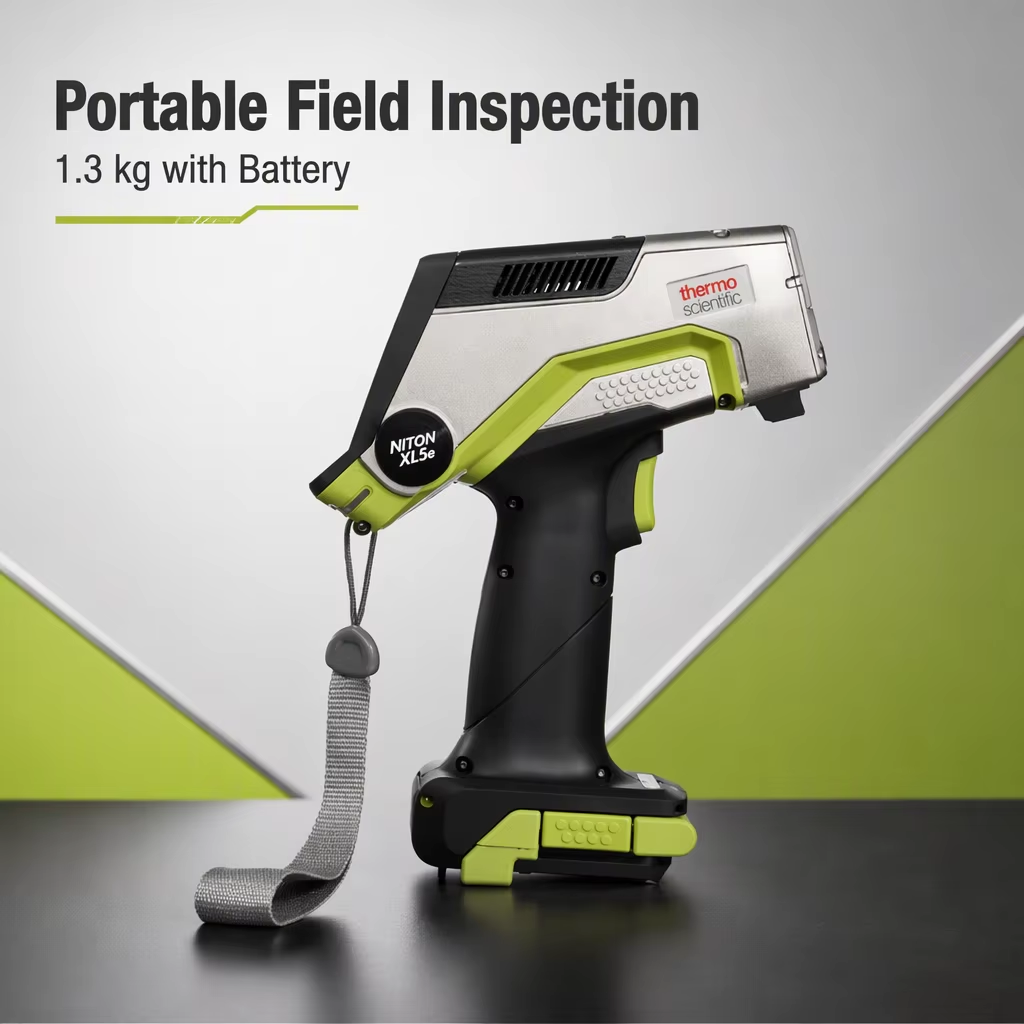
✅Lightweight design (2.8 lbs/ 1.3 kg)
✅Integrated fan for thermal management
✅Bluetooth and WiFi communications
✅Micro camera
✅Hot Swap battery
✅IP54 certified (splash/dust proof)
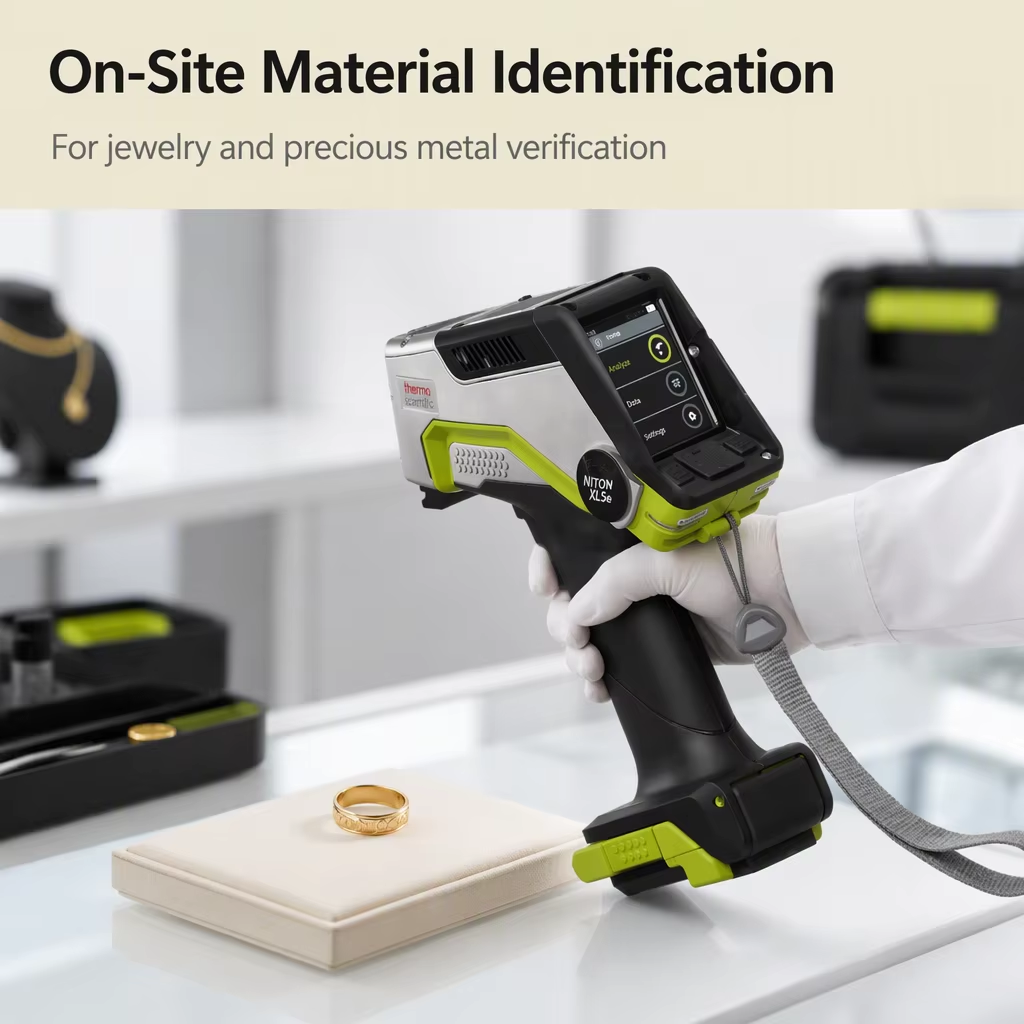
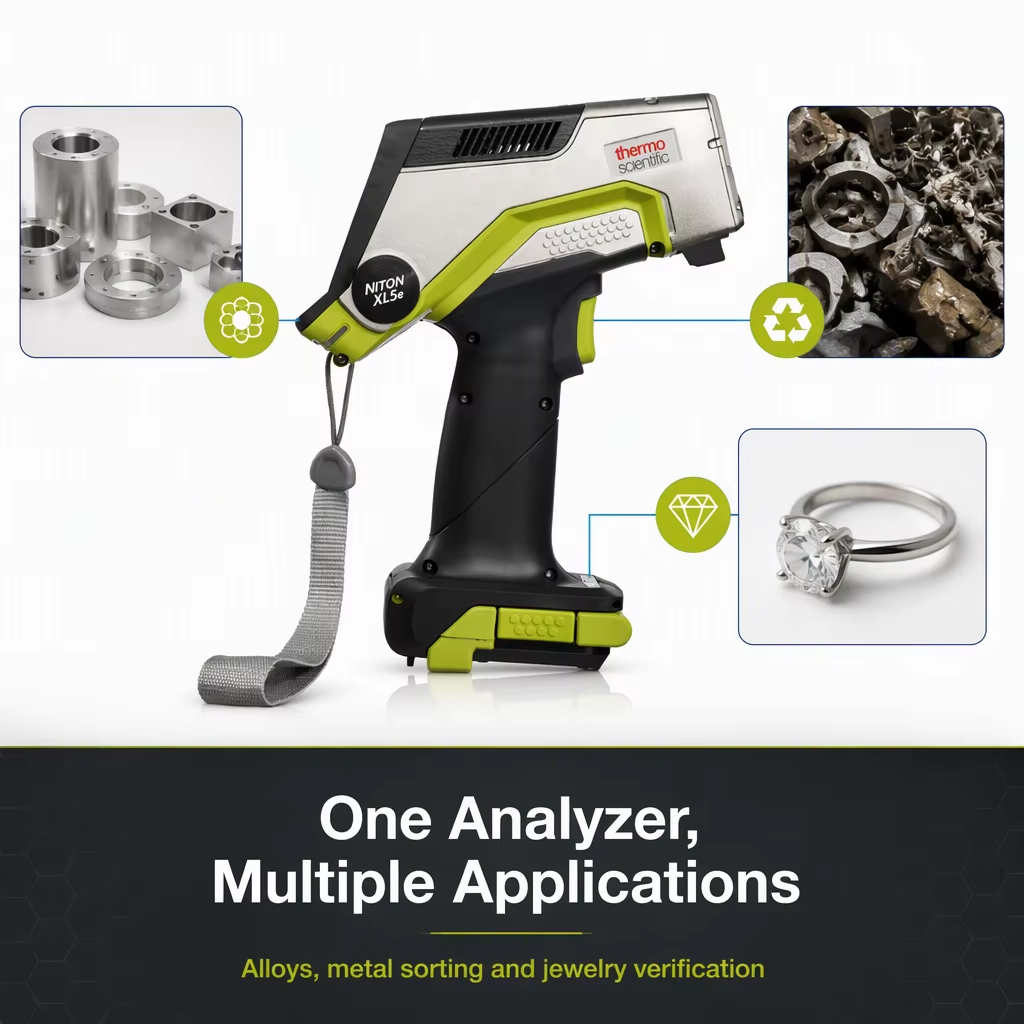
Applications of Niton XL5e
Detailed Explanation
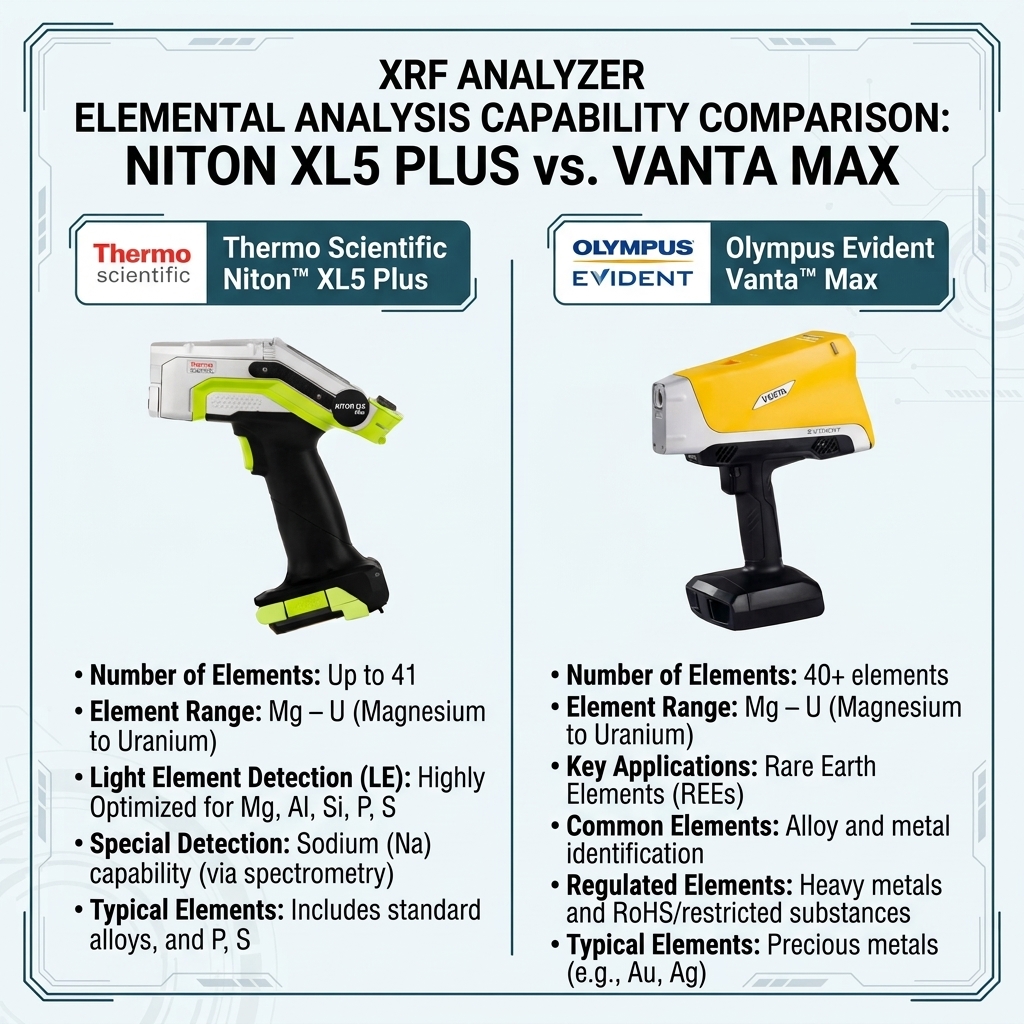
**Core Performance:** Both are equipped with a 5W X-ray tube and a silicon drift detector (SDD), ensuring that their core elemental analysis capabilities are at the same level. The difference is that the XL5 Plus has a larger detector area, which theoretically gives it a slight advantage in limit of detection (LOD) and sensitivity for light elements (such as Mg, Al, and Si).
**GPS Functionality:** This is one of the most significant differences. The XL5 Plus has built-in GPS, which can automatically record the geographic location of each test point, making it ideal for geological exploration and soil surveys. The XL5e does not have built-in GPS, but if needed, you can connect an external GPS module via Bluetooth to achieve similar functionality.
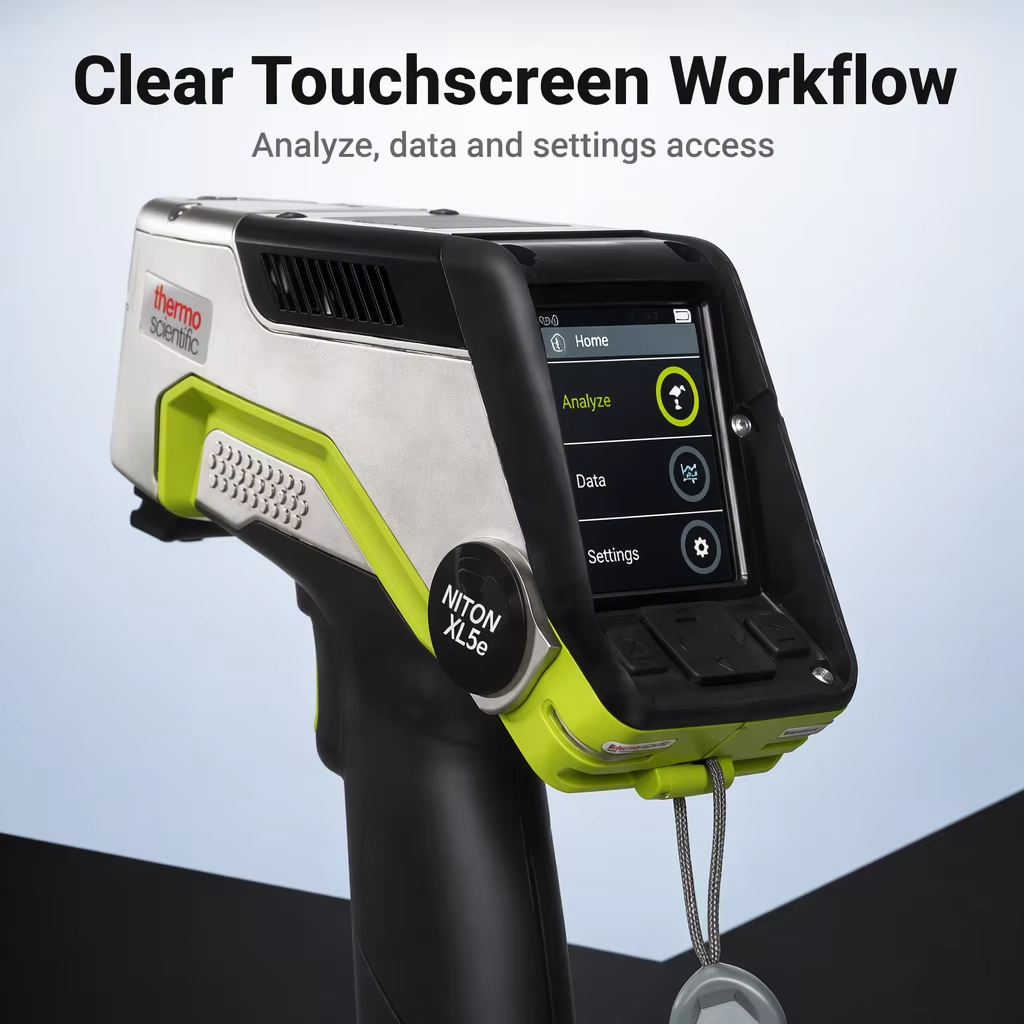
**Display & Operation:** The XL5 Plus has an adjustable-angle screen, making it more convenient to view data in sunlight or in different working postures. The XL5e has a fixed screen, which is a compromise made to reduce costs.
**Camera:** The XL5 Plus is equipped with both micro and macro cameras, allowing it to simultaneously capture close-up and panoramic photos of the test point, which facilitates documentation and reporting. The XL5e has only a micro camera, so its functionality is relatively simplified.
Key Differences Comparison
| Niton XL5e | Niton XL5 Plus | |
| Positioning | Streamlined / Cost-effective option | Flagship / Full-featured model |
| Detector | Silicon Drift Detector (SDD) | Extra-large area SDD with graphene window |
| Integrated GPS | No (Optional external GPS via Bluetooth) | Yes, GPS data included in sample info |
| Display | Fixed color resistive touchscreen | Adjustable/tiltable color resistive touchscreen |
| Camera | Micro camera | Micro and macro cameras |